Types of SARMs: A Breakdown by Category and Use Case
Last Update: 21 August 2026 Not every SARM chases the same goal. Some are built around muscle growth, others around stripping fat, others around pushing through a longer workout. Grouping them by what they’re actually used for makes the whole category easier to navigate than memorizing a list of compound codes. Want the full compound-by-compound […]
Last Update: 21 August 2026
Not every SARM chases the same goal. Some are built around muscle growth, others around stripping fat, others around pushing through a longer workout. Grouping them by what they’re actually used for makes the whole category easier to navigate than memorizing a list of compound codes.
Want the full compound-by-compound reference? See our main guide: Complete SARMs Compound Guide: Dosages, Cycles & Recovery. It covers every compound below in full detail, with profiles, stacking guides, and cycle protocols in one place.
SARMs by Category
SARMs for Muscle Building
This group covers compounds associated with:
- Muscle growth
- Tissue regeneration
- Strength gains
- Faster recovery
Common muscle-building SARMs include:
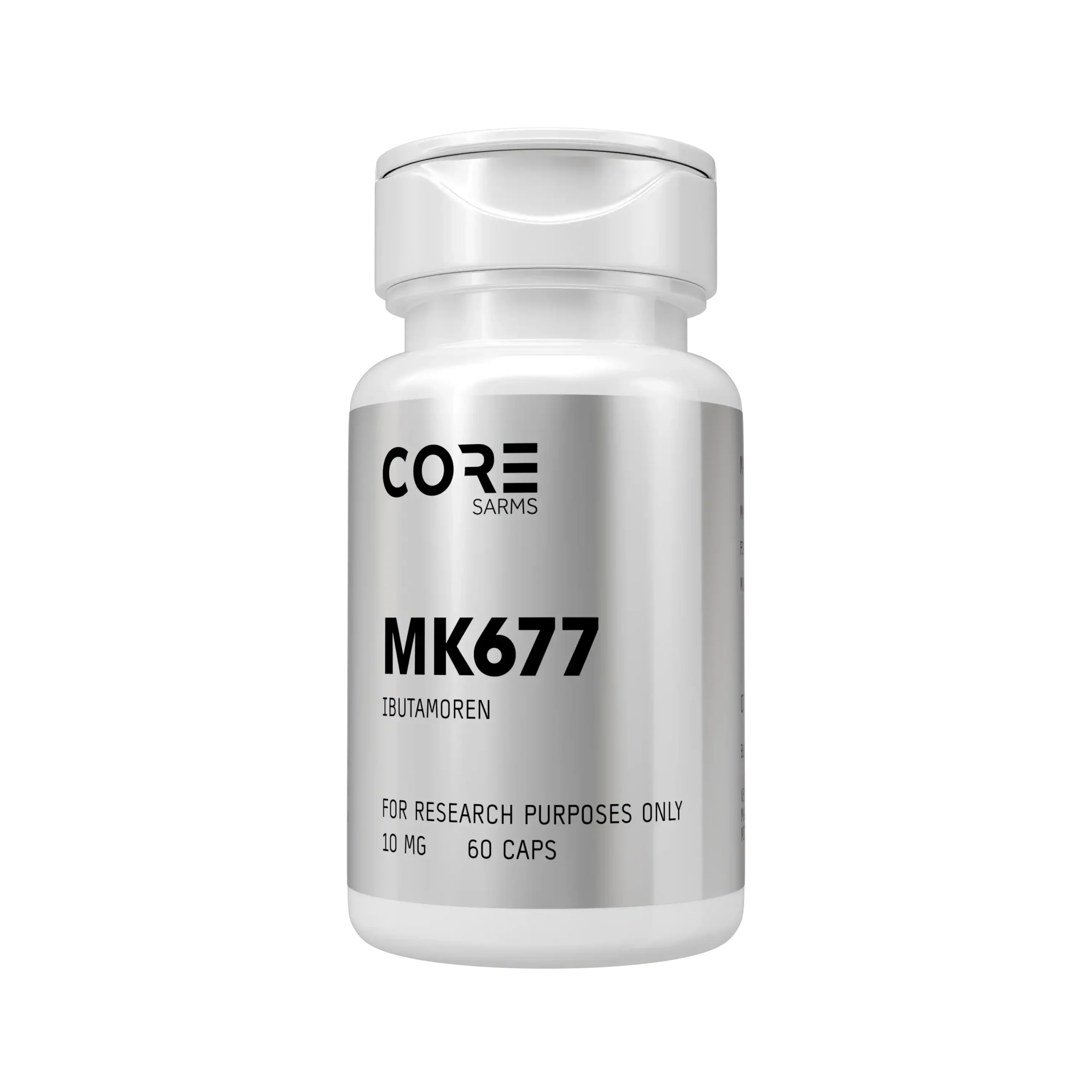
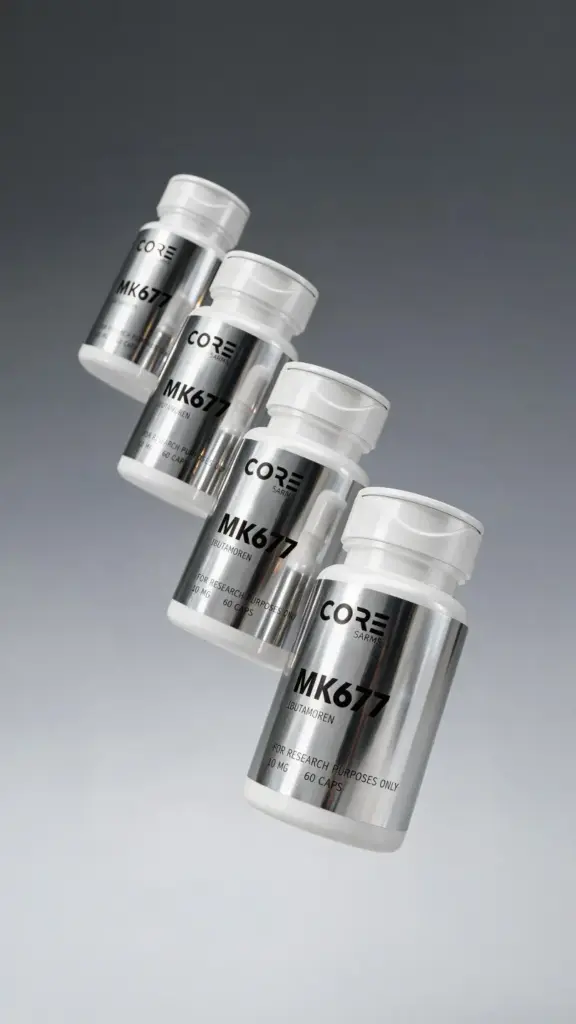
- Ibutamoren (MK-677), technically not a true SARM
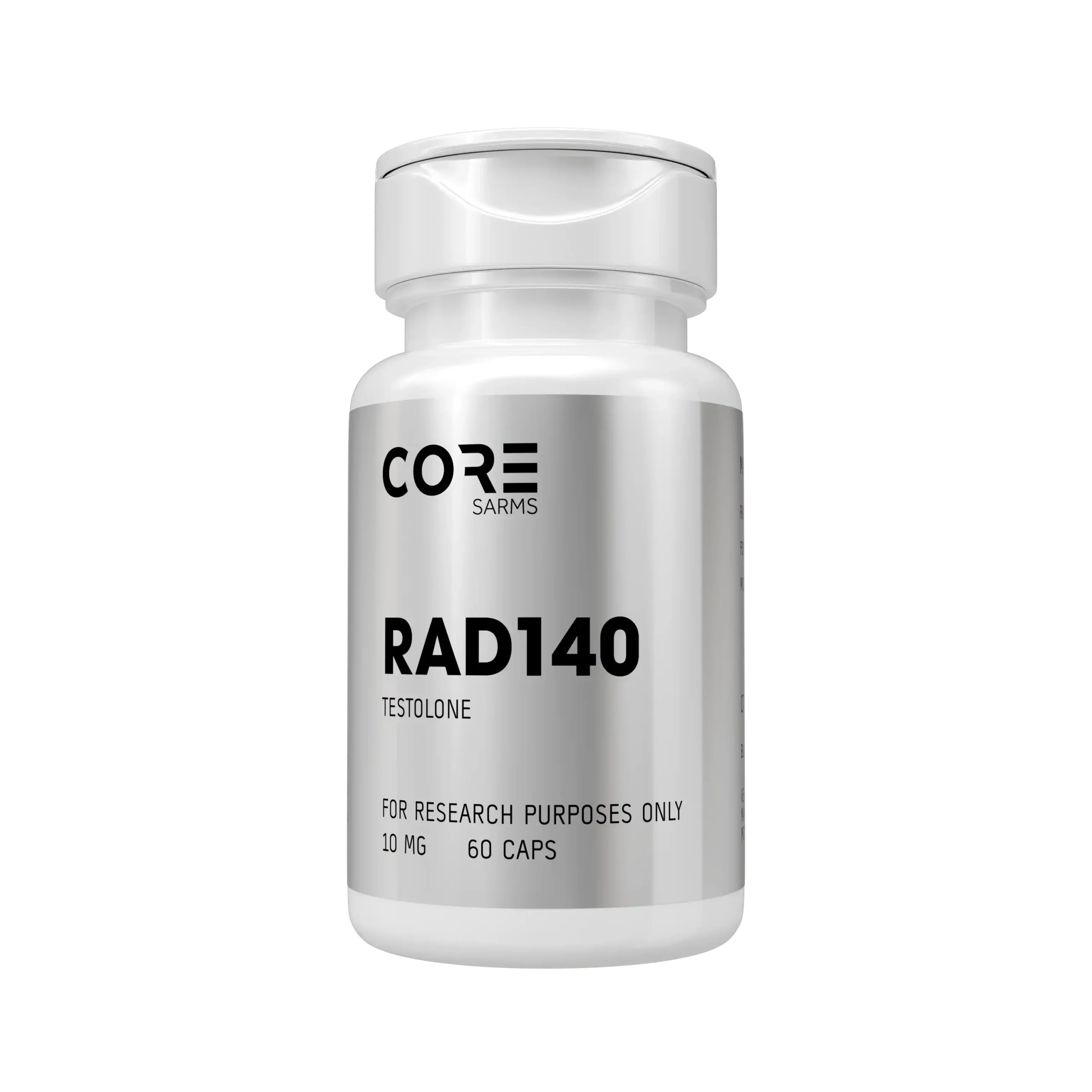
- RAD-140 (Testolone)
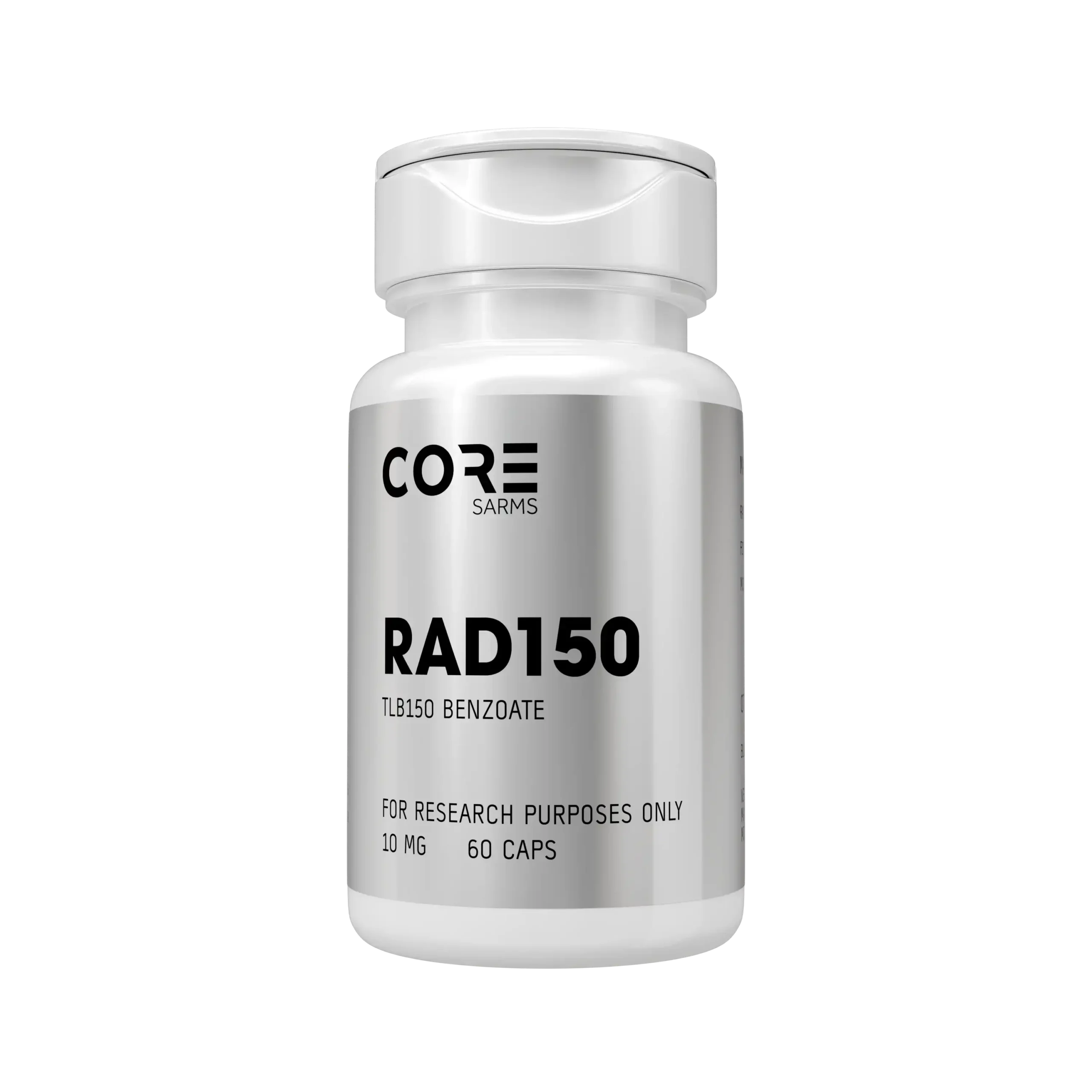
- RAD-150 (Enhanced)
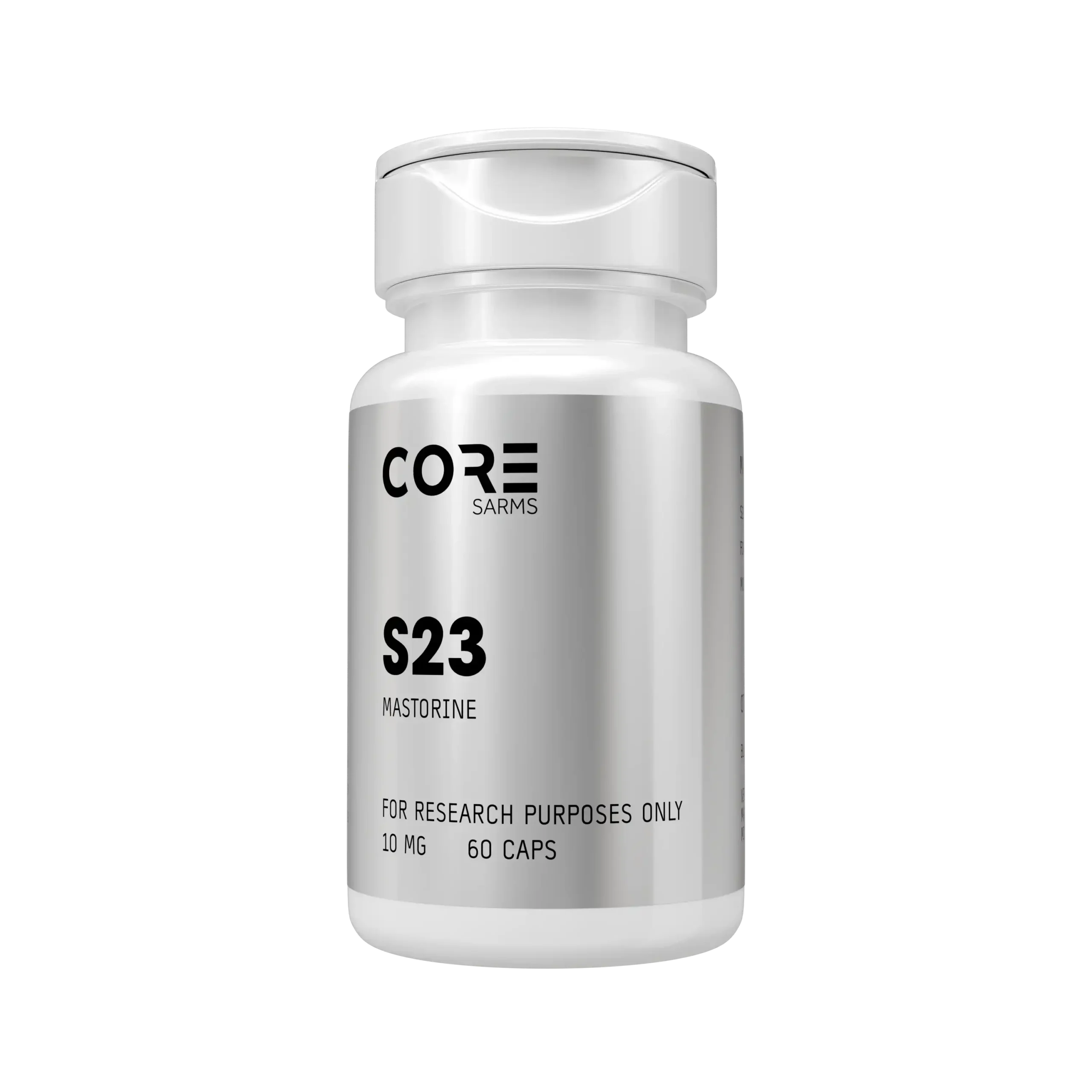
- S-23 (SARM)
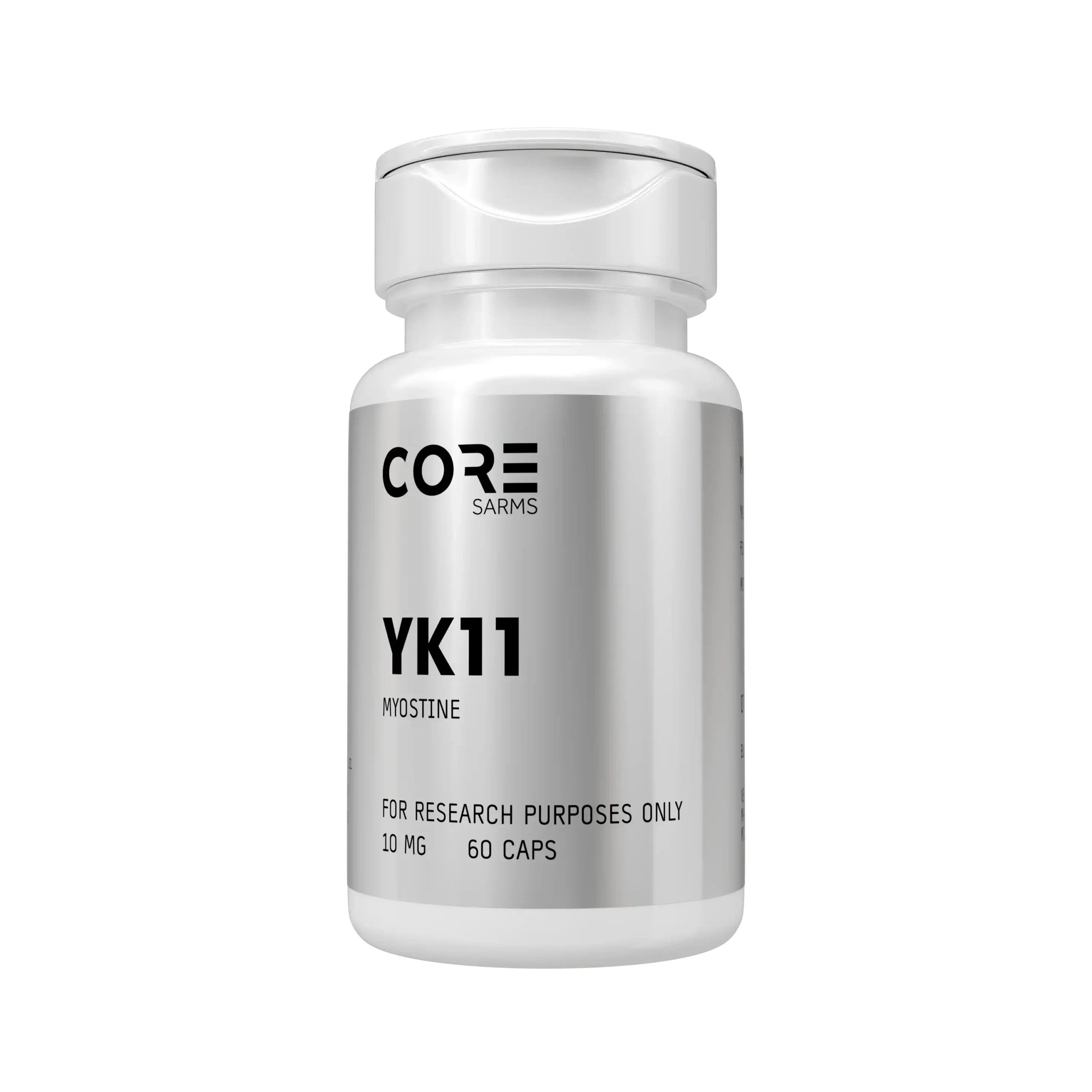
- YK-11 (Myostatin)
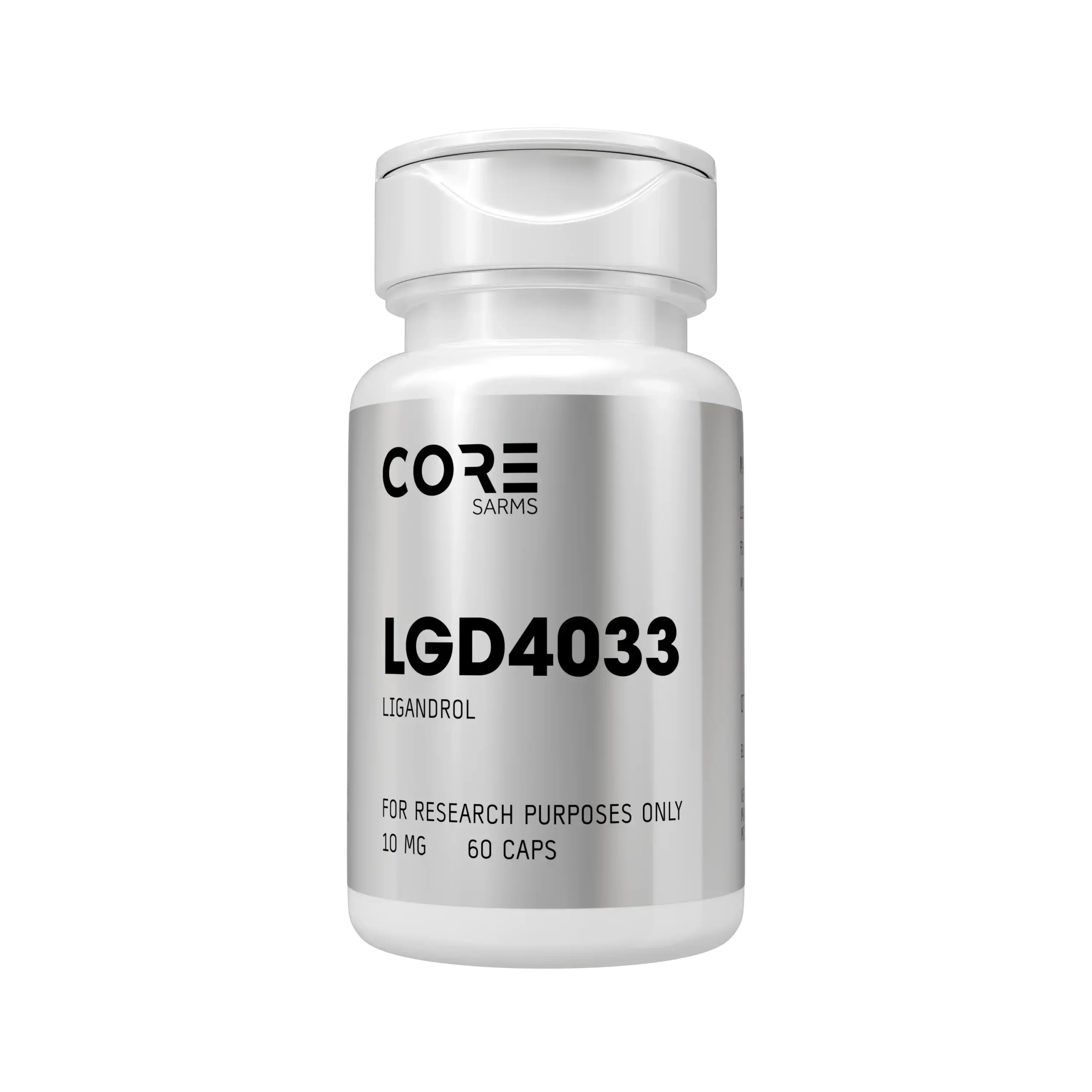
- Ligandrol (LGD-4033)
Full detail on this group: Best SARMs for Bulking: Compounds Commonly Used for Mass and Strength Gains.
SARMs for Cutting
Cutting-focused SARMs generally share a few traits:
- Fat loss support
- Anabolic activity alongside fat oxidation
- Stamina improvements
- Faster metabolism
Compounds commonly used here:
More on this approach: The Ultimate Cutting Stack: SARMs for Fat Loss.
SARMs for Endurance
Endurance-focused compounds overlap heavily with the other categories on this list. They’re generally associated with:
- Better fat metabolism
- Faster recovery
- Anti-inflammatory support
Common examples:
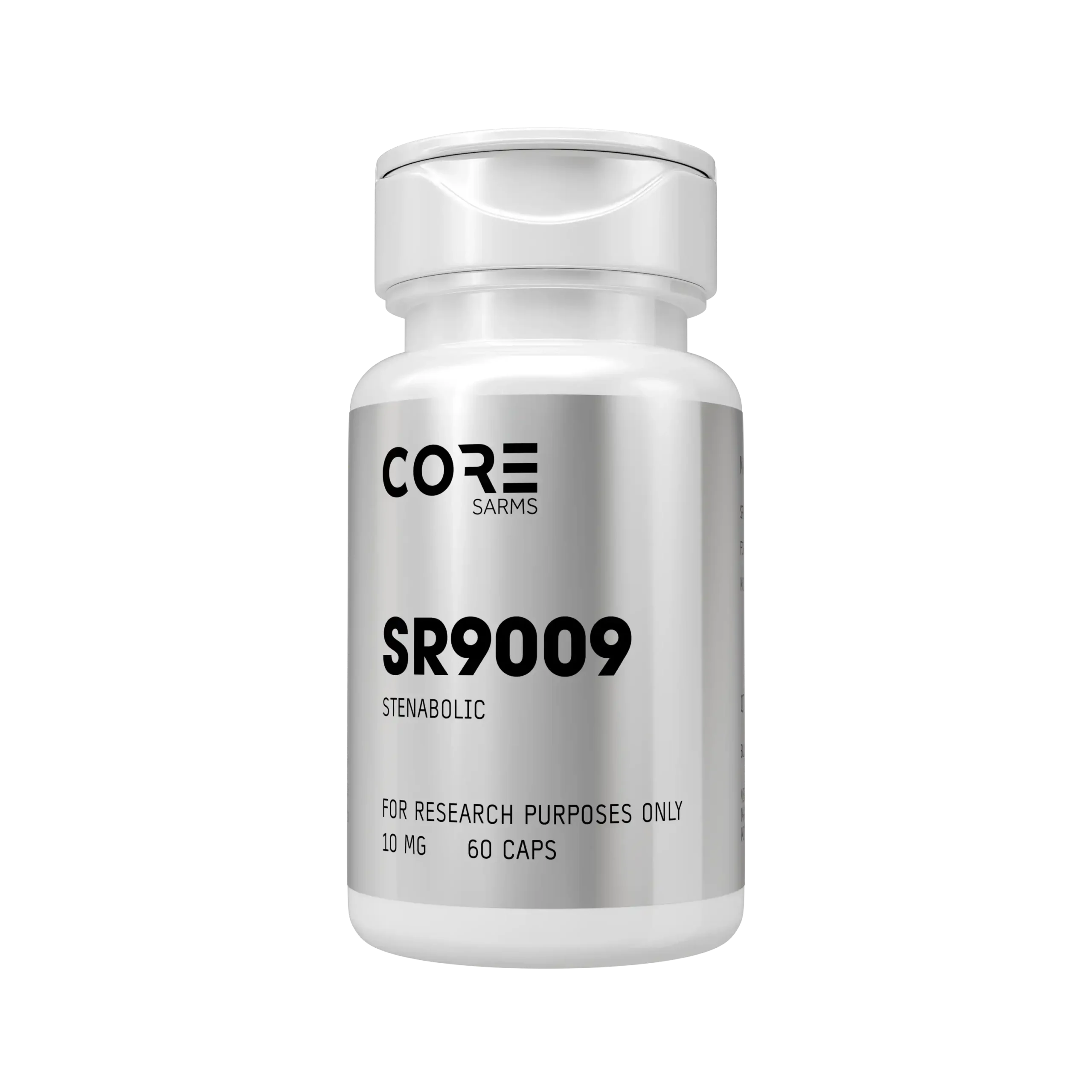
- SR-9009 (Stenabolic), also used during cutting phases
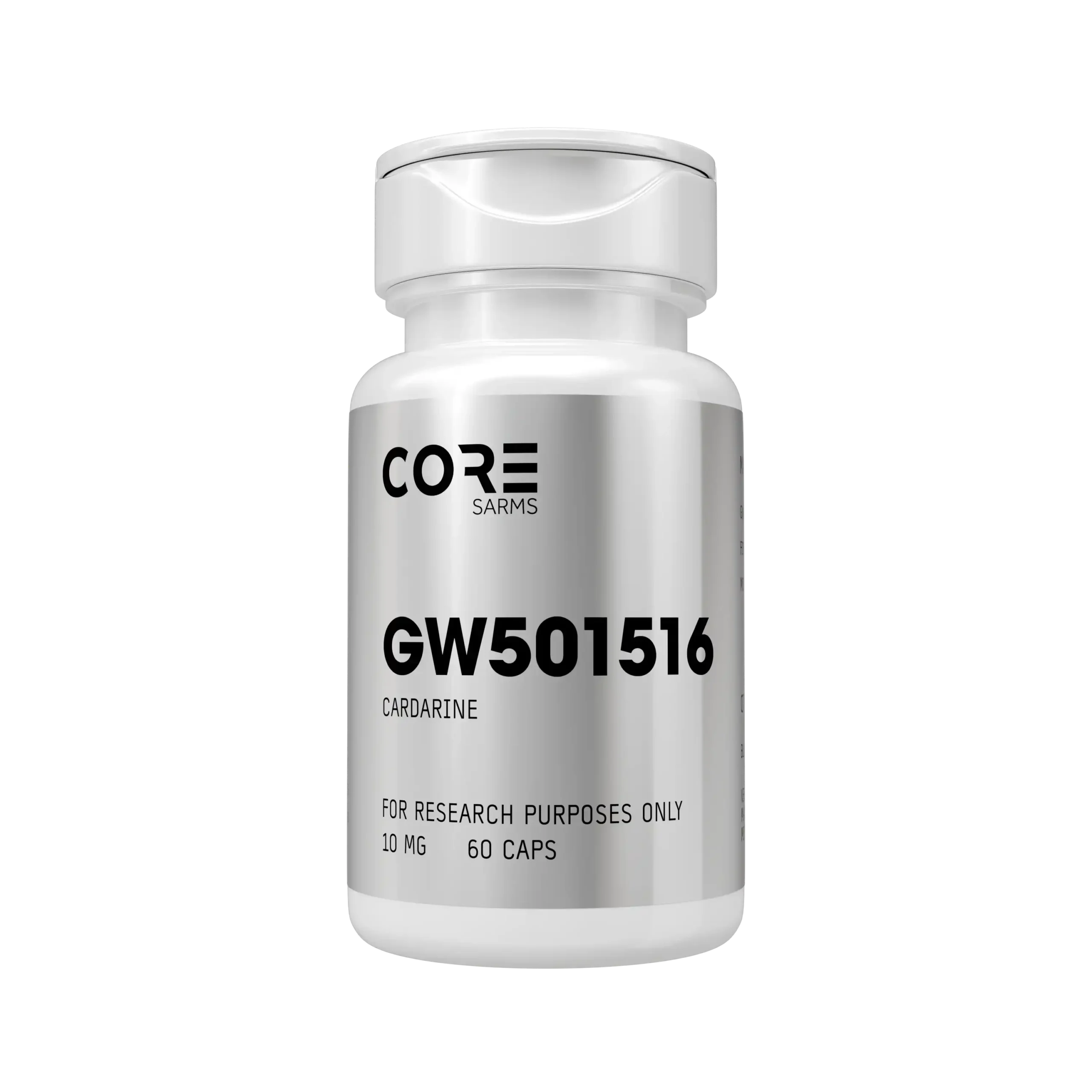
- Cardarine (GW-501516)
- Accadrine (AC-262)
SARMs for Recovery
Recovery-oriented SARMs are tied to:
- Better sleep quality through hormone effects
- Fat metabolism that fuels muscles through intense training
- Hormone balance support
The main compound in this category:
- Ibutamoren (MK-677), technically not a true SARM
What Do All SARM Types Have in Common?
The categories differ in what they’re used for, but the underlying mechanism doesn’t change: every SARM binds to androgen receptors in targeted tissue, muscle and bone specifically. Usage patterns stay consistent across categories too.
Every SARM needs a cycle, though the length varies by compound. And regardless of which category a SARM falls into, running post-cycle therapy (PCT) afterward is part of using it responsibly.
Conclusion: Same Mechanism, Different Goals
Every SARM operates through the same receptor-binding mechanism, but the physiological outcome shifts depending on the compound. Pick based on your actual goal, not just what’s popular, and match the category to what you’re training for.

CORE SARMS is dedicated to providing premium quality supplements that help athletes and fitness enthusiasts achieve their performance goals. With a commitment to excellence and transparency, we source only the highest quality ingredients and rigorously test every product. Our team of experts stays at the forefront of sports nutrition science to bring you cutting-edge formulations that deliver real results. Whether you’re building muscle, cutting fat, or optimizing recovery, CORE SARMS is your trusted partner in achieving peak performance.