Build lean muscle mass and increase overall strength

SARMs for Muscle Building

The Science Behind Selective Androgen Receptor Modulators (SARMs) for Muscle Building

If your research interests include skeletal muscle growth, strength development, or bone density, the compounds in this category are among the most advanced options within the SARM class.

Each compound has been selected due to its documented anabolic activity, selective tissue interaction, and the amount of research supporting its potential applications.

SARMs in this category function by selectively binding to androgen receptors located in muscle and bone tissue. Unlike traditional anabolic agents, they are designed to provide targeted anabolic effects while limiting activity in other tissues, such as the prostate. This selective action is the key reason why SARMs continue to attract significant scientific and clinical research interest.

Our Muscle Building SARMs

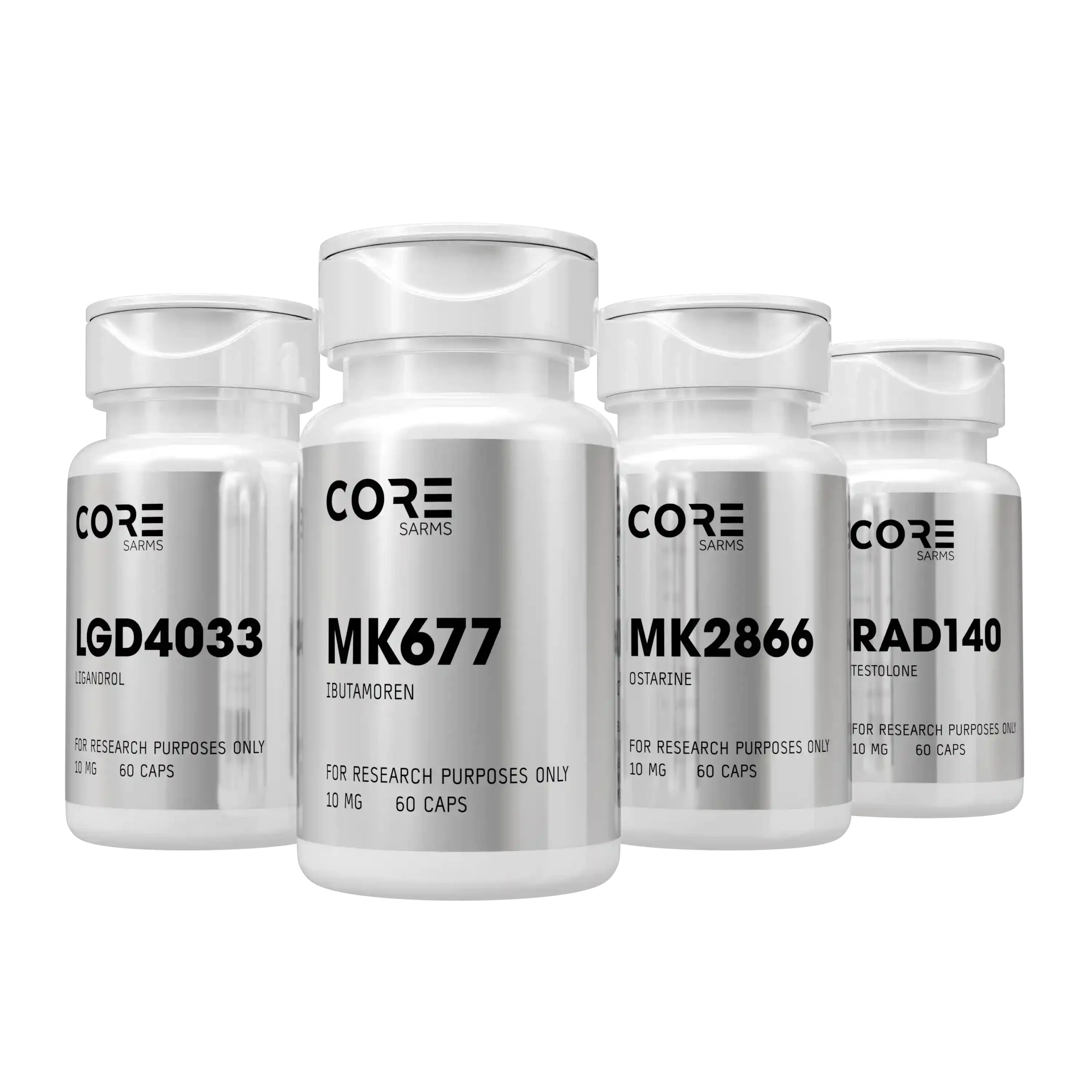
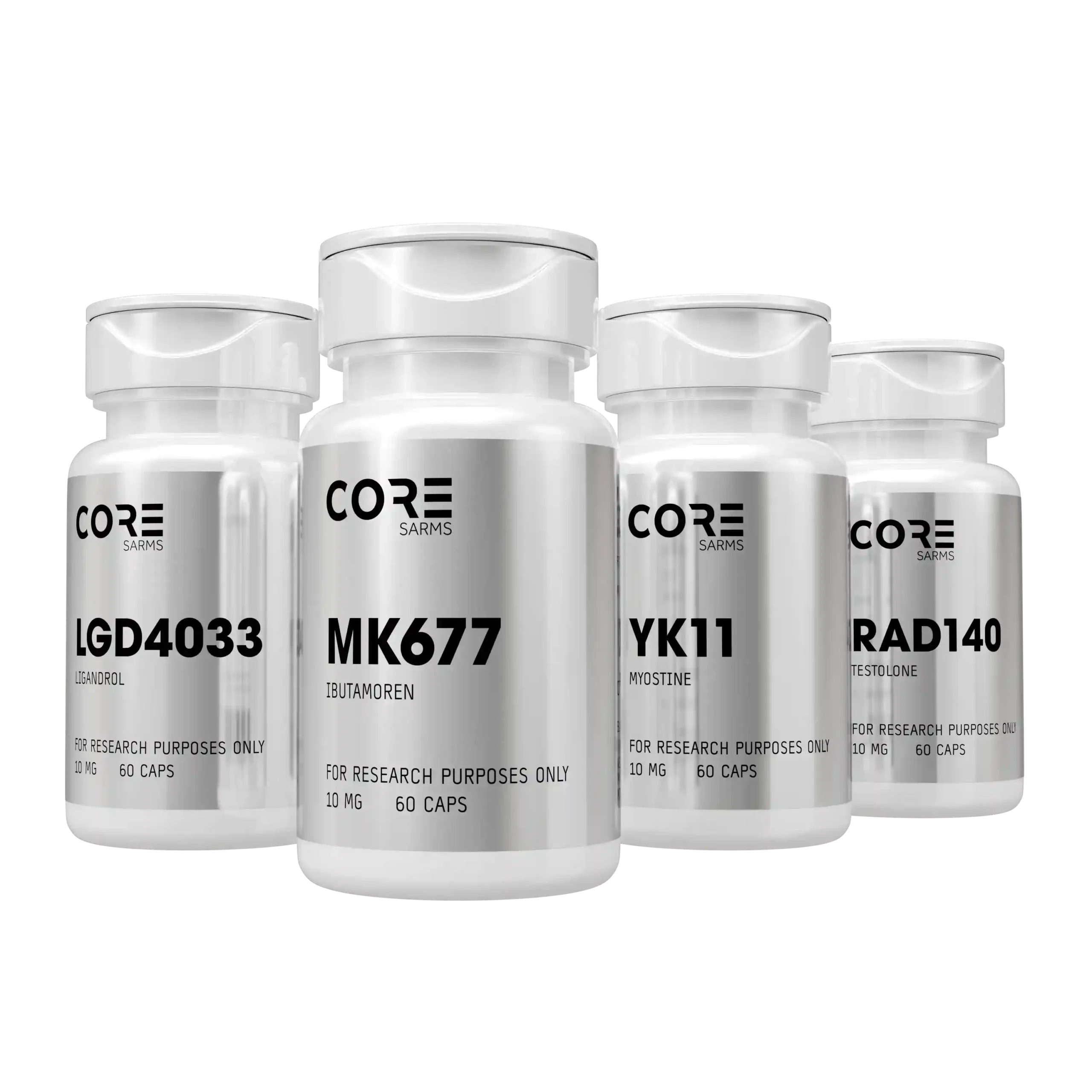
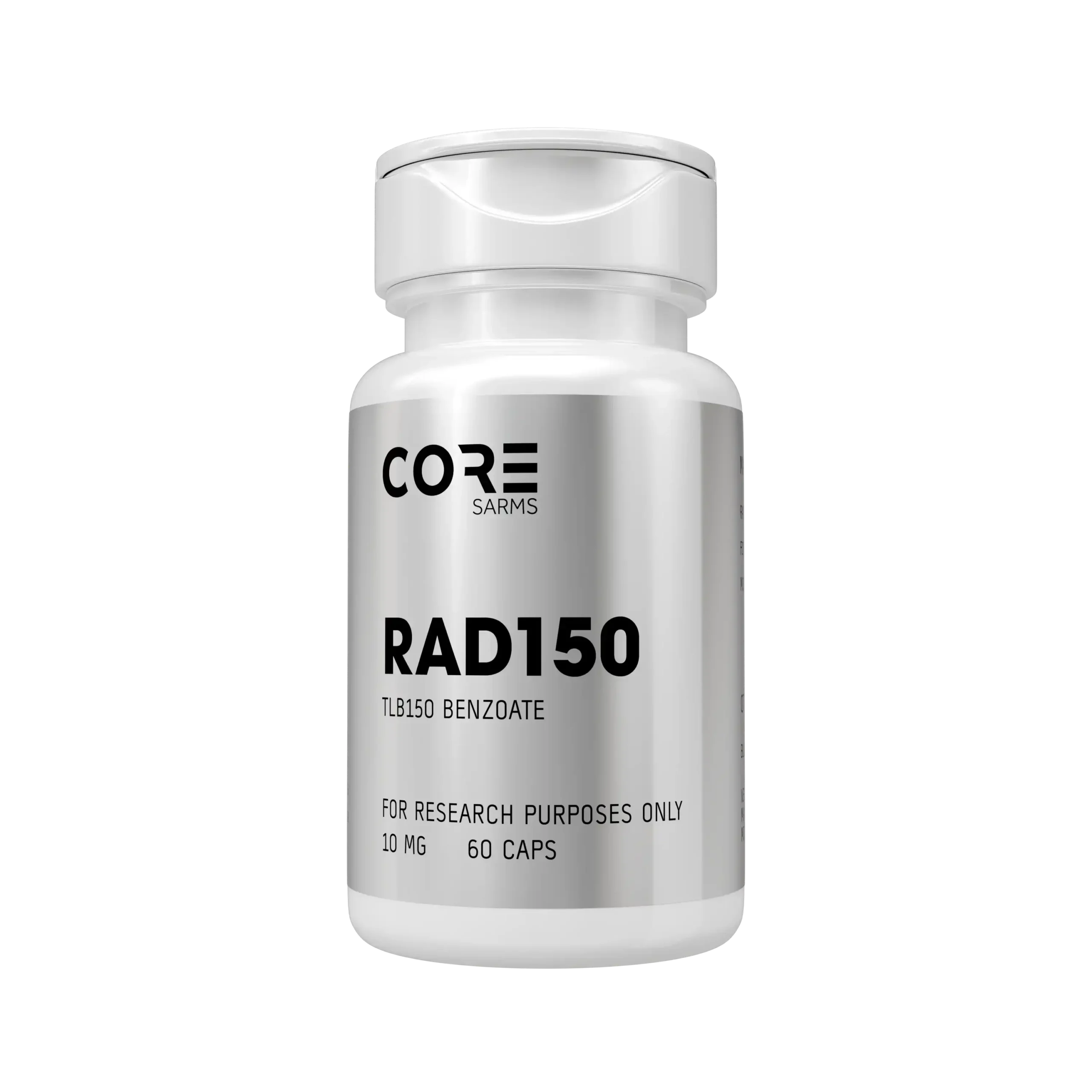
RAD-140 (Testolone)

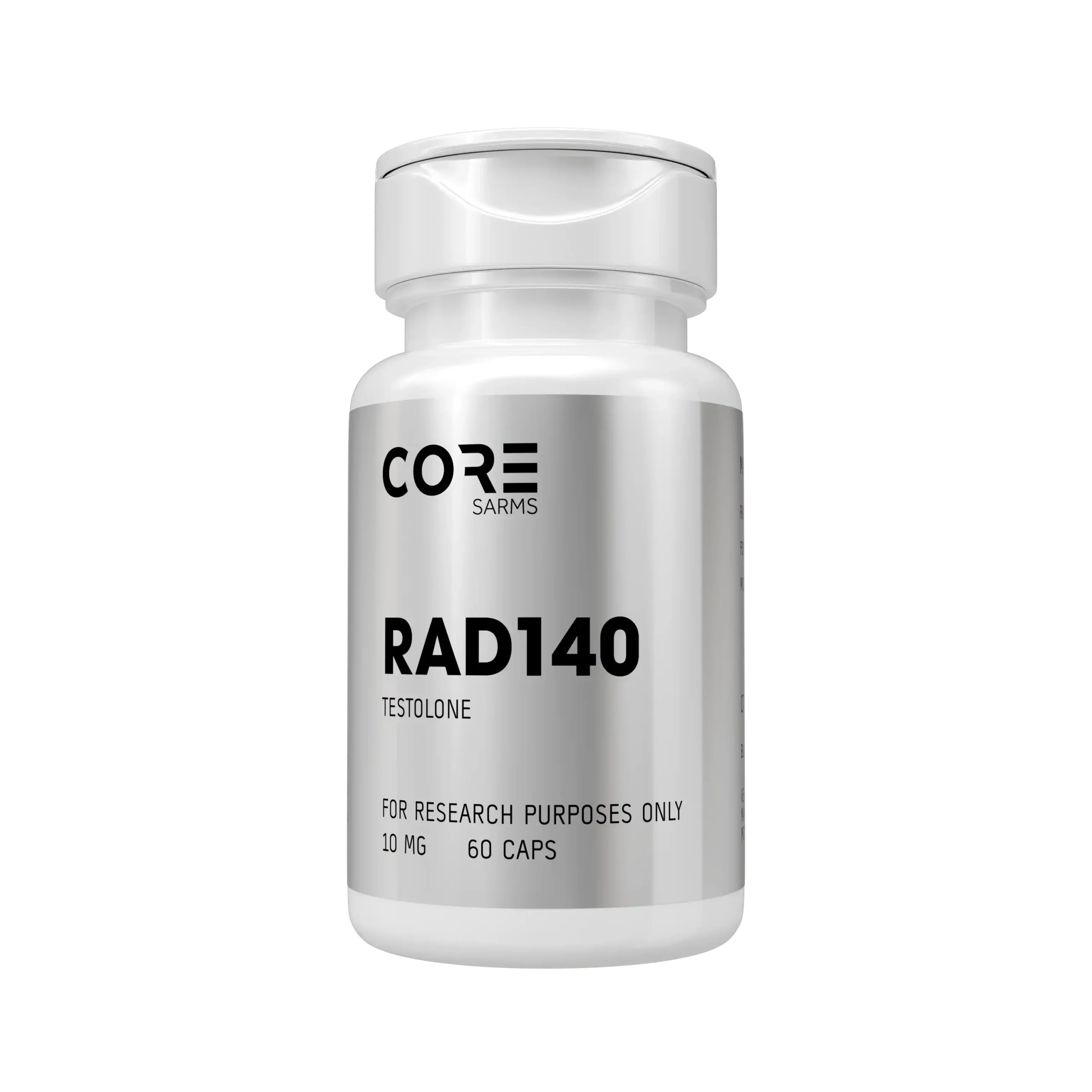
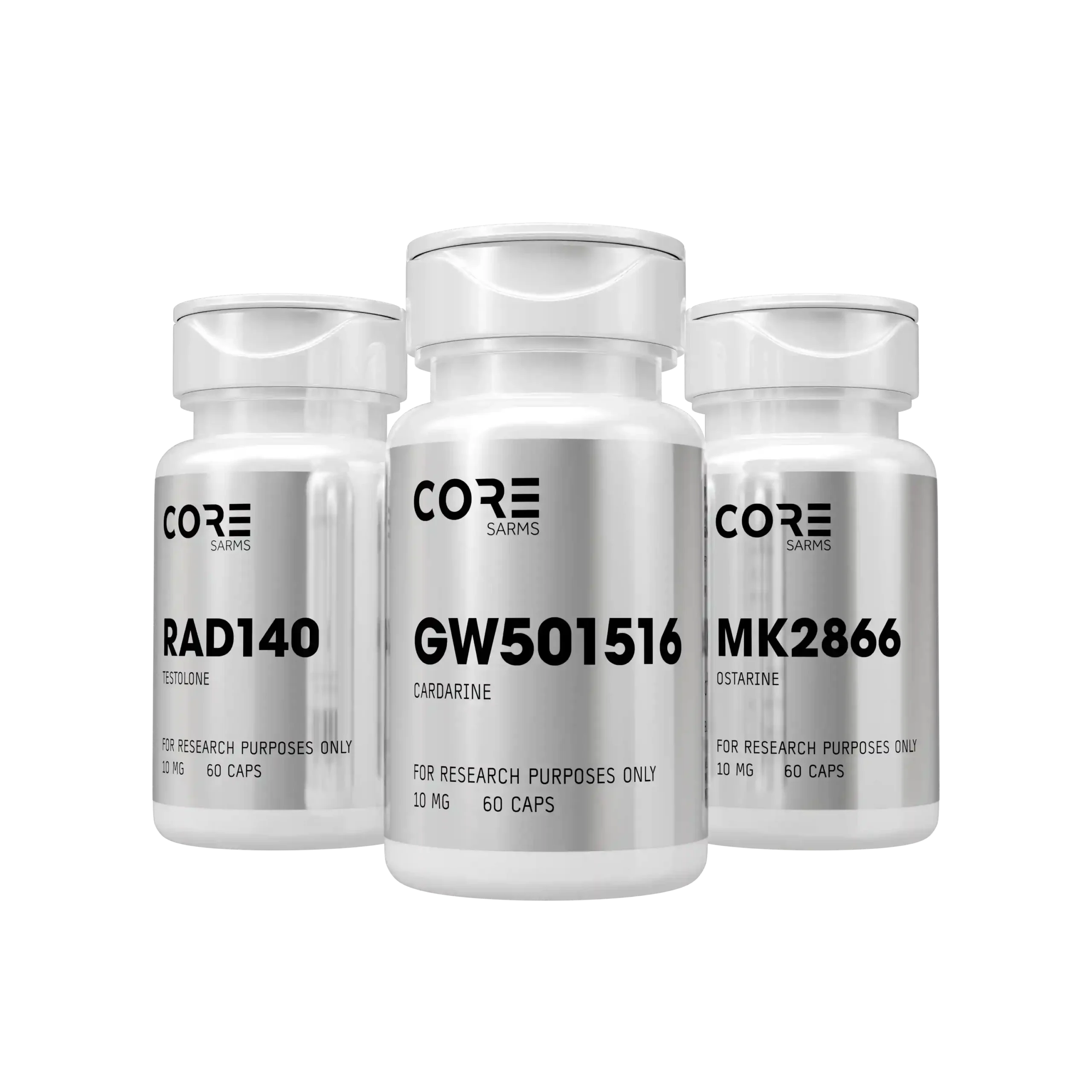
RAD-140, also known as Testolone, is one of the most popular SARMs for muscle-building goals. Its anabolic signaling has been initially confirmed in pre-clinical studies [1], while the compound itself has been moved to Phase 1 human evaluation, making it one of the best-researched SARMs.

Best suited for: medium-to-high experience users, strength-focused goals, and advanced muscle-building stacks.

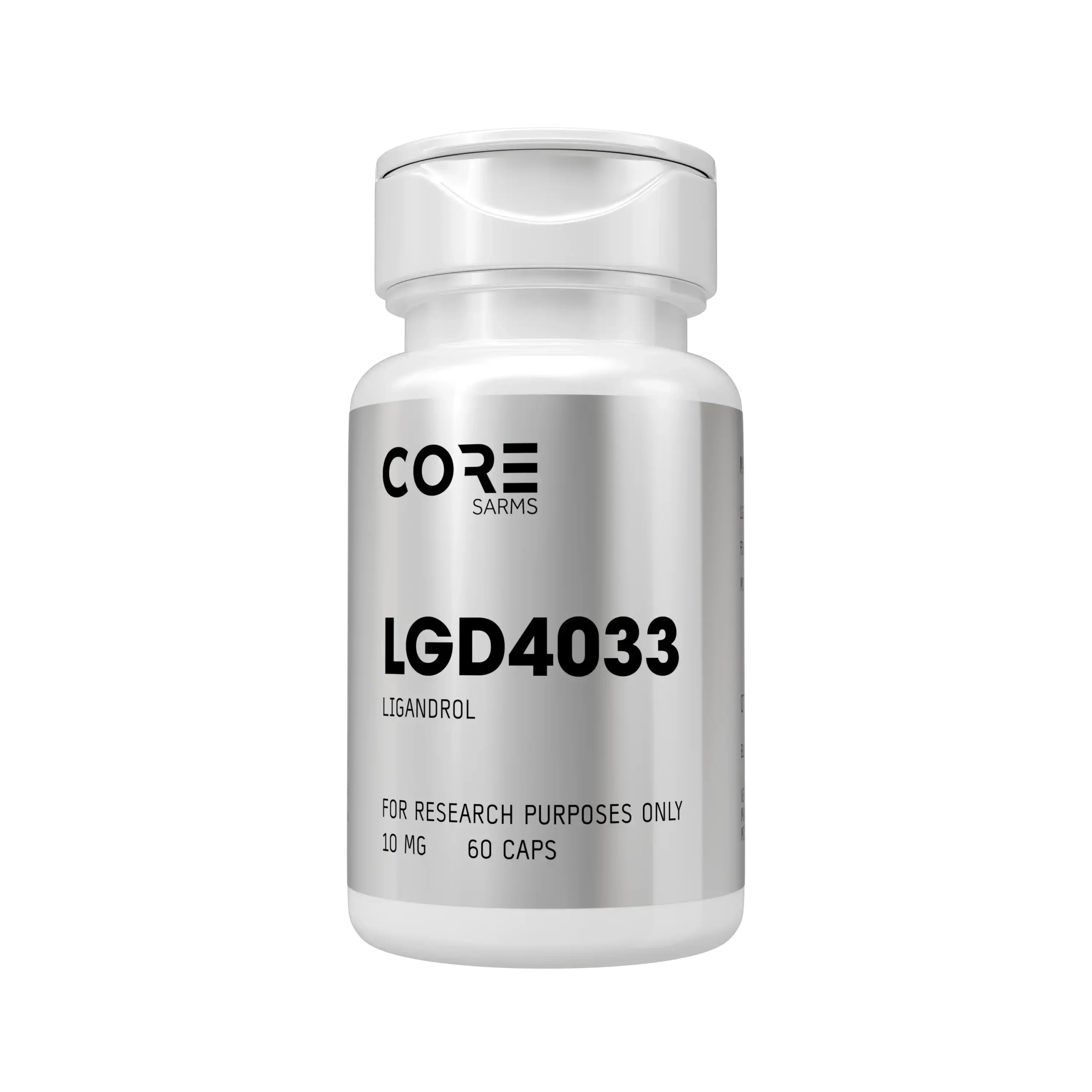
LGD-4033 (Ligandrol)

Similarly to RAD-140, LGD-4033 is a relatively well-researched compound currently in Phase 1 of human evaluation. Moreover, initial studies prove its relatively low potential for side effects – in a placebo-controlled trial in 76 men taking 1 mg daily for 21 days, there were no adverse effects reported.[3] This makes it one of the mildest muscle-building SARMs available.

Best suited for: inexperienced users looking for lean mass research on first-time cycles.

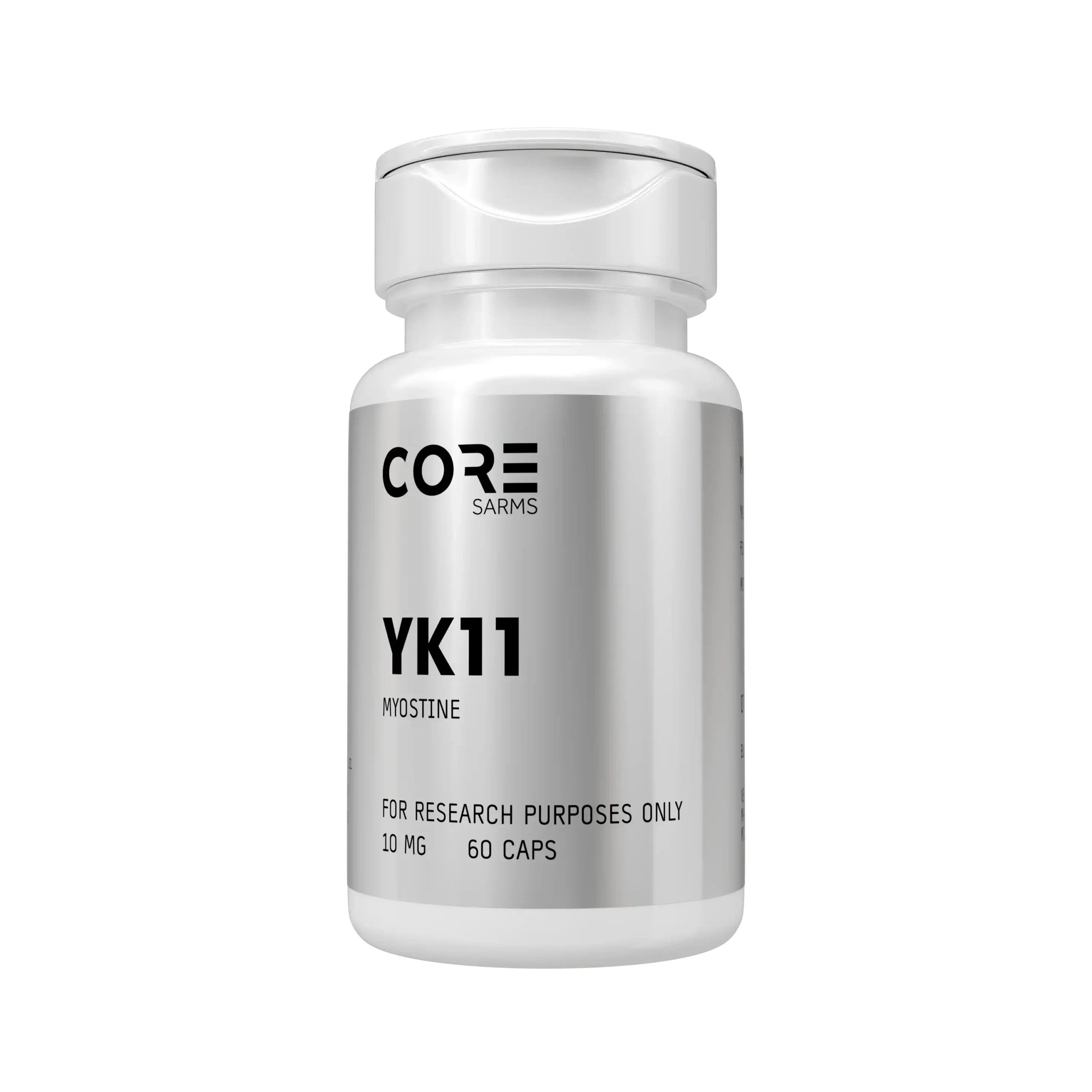
YK-11

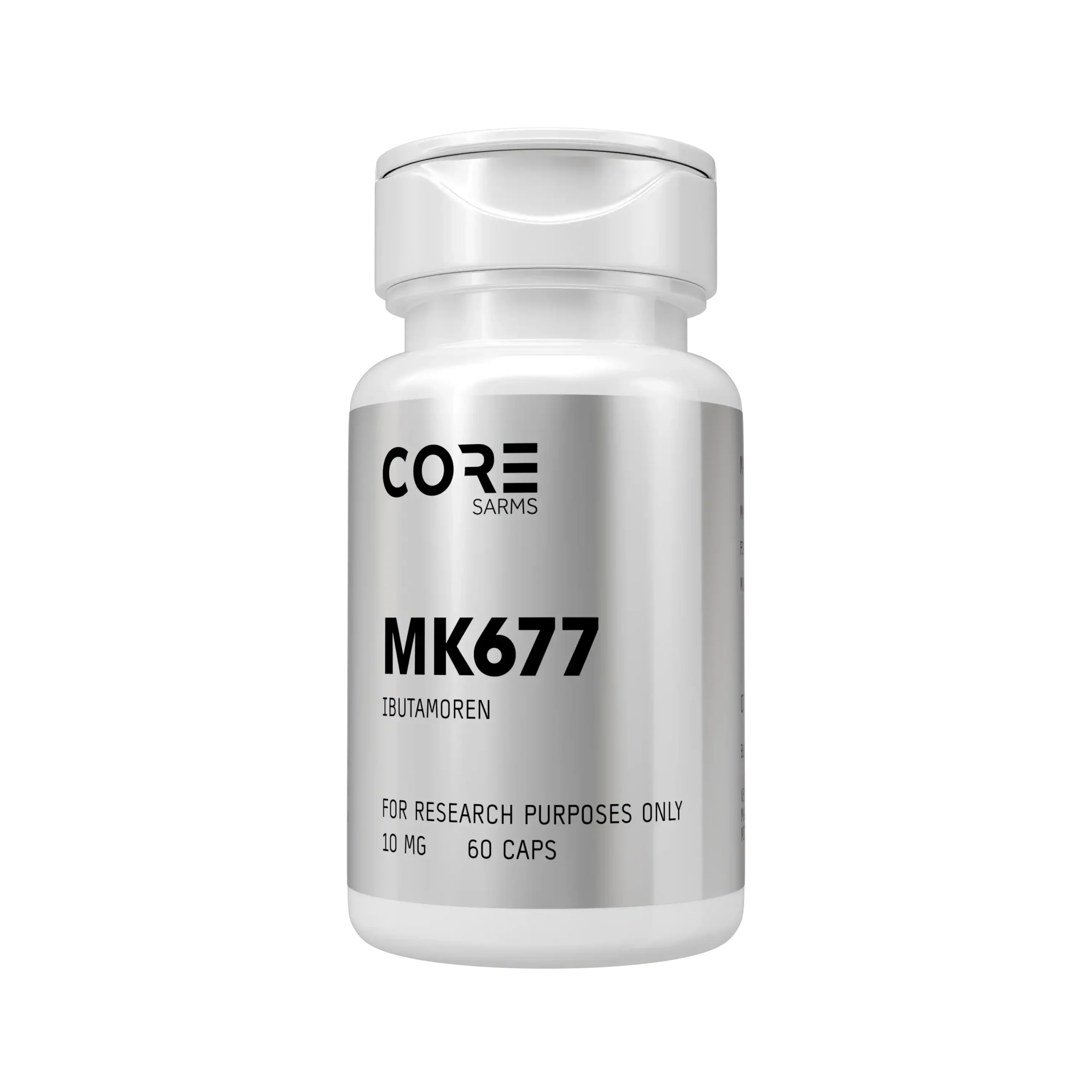
YK-11 is a unique compound as it operates both as a SARM and as a myostatin inhibitor.[4] Users also claim that it’s one of the most potent SARMs for muscle building. As such, it is mostly chosen by experienced users.

Best suited for: advanced research protocols and combination stacks.

Quality Assurance

At CORE SARMS, we care about the quality of our products. Therefore, every SARMs batch is carefully tested in a third-party laboratory. This way, we can ensure that each compound is at least 99% pure. As a buyer, you can verify the data yourself, since each SARM comes with a quality assurance certificate.

SARMs sold strictly for research purposes. They are not approved by WADA or the FDA for human use.

Sources:

  1. Miller, C. P., Shomali, M., Lyttle, C. R., et al. (2011). Design, Synthesis, and Preclinical Characterization of the Selective Androgen Receptor Modulator (SARM) RAD140. ACS Medicinal Chemistry Letters, 2(2), 124-129. https://doi.org/10.1021/ml1002508
  2. LoRusso, P., Hamilton, E., Ma, C., et al. (2022). A First-in-Human Phase 1 Study of a Novel Selective Androgen Receptor Modulator (SARM), RAD140, in ER+/HER2- Metastatic Breast Cancer. Clinical Breast Cancer, 22(1), 67-77. https://doi.org/10.1016/j.clbc.2021.08.003
  3. Basaria, S., Collins, L., Dillon, E. L., et al. (2013). The safety, pharmacokinetics, and effects of LGD-4033, a novel nonsteroidal oral, selective androgen receptor modulator, in healthy young men. The Journals of Gerontology: Series A, 68(1), 87-95. https://doi.org/10.1093/gerona/gls078
  4. Kanno, Y., Hikosaka, R., Zhang, S. Y., et al. (2013). Selective androgen receptor modulator, YK11, regulates myogenic differentiation of C2C12 myoblasts via follistatin expression. Biological and Pharmaceutical Bulletin, 36(9), 1460-1465. https://doi.org/10.1248/bpb.b13-00430

Frequently Asked Questions

The SARMs from this category started as compounds designed to treat muscle-wasting conditions (e.g., osteoporosis). However, with time, researchers explored other directions, including their potential to support muscle building.

SARMs work on a similar mechanism as anabolic steroids, with one key difference: they are selective. This means that they mostly target androgen receptors in the muscle and bone tissues, while avoiding other organs. This leads to a lower risk of side effects when compared with steroids.

No. WADA and local sports organizations all ban SARMs. They are banned from human use, and if an athlete utilizes them, they may face disciplinary action, including a ban from official sports events.