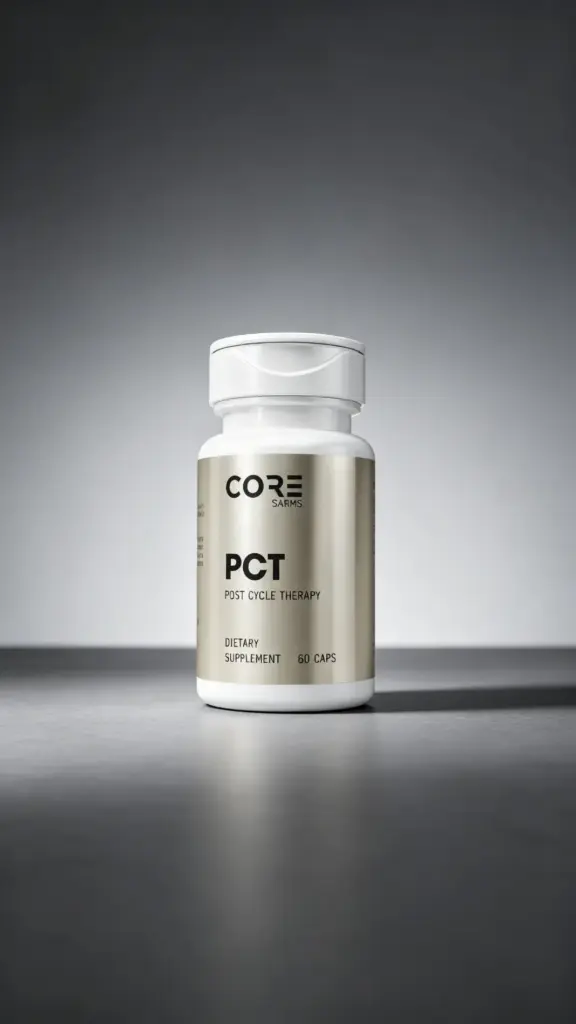
Post-Cycle Therapy (PCT) for SARMs: What It Is and Why It Matters
Last Update: 21 August 2026 Running a SARM cycle throws your hormone balance out of its normal range on purpose, that’s part of how the compound works. Post-cycle therapy is the structured process that gets things back to baseline afterward. Skip it, and the body has to sort itself out unassisted, which tends to take […]
Last Update: 21 August 2026
Running a SARM cycle throws your hormone balance out of its normal range on purpose, that’s part of how the compound works. Post-cycle therapy is the structured process that gets things back to baseline afterward. Skip it, and the body has to sort itself out unassisted, which tends to take longer and cost more in the process.
Want the full compound-by-compound reference? See our main guide: Complete SARMs Compound Guide: Dosages, Cycles & Recovery. It covers every compound, along with which ones actually require PCT and which don’t.
What Is Post-Cycle Therapy?
PCT is a structured protocol you follow after finishing a SARM cycle to help restart natural hormone production. It typically runs 4 to 6 weeks and involves three things happening together:
- Staying completely off SARMs during the protocol
- Taking a PCT supplement
- Keeping training and diet consistent throughout
Both the length of PCT and the specific supplement needed depend on which SARM you ran and how suppressive it was.
Why Does Post-Cycle Therapy Matter?
SARMs work by shifting hormone balance to push toward a specific athletic outcome, more muscle, less fat, better endurance. That shift doesn’t reverse itself the moment you stop taking the compound. Left alone, the body works its way back to baseline slowly, and that stretch can bring on real side effects:
- Gynecomastia
- Low libido
- Fatigue and low energy
- Mood disruption: irritability, low mood, anxiety
- Brain fog
- Sleep disturbances
- Muscle loss
- Fat gain
PCT shortens that recovery window and reduces how hard those symptoms hit. Research on anabolic-androgenic steroid users found that more than half of those who ran PCT reported milder or fewer withdrawal symptoms compared to those who skipped it entirely.[1]
| Worth knowing: PCT isn’t unique to SARMs. The same principle applies across other performance-enhancing compound cycles, steroids included. |
Conclusion: PCT Is Often Essential After a SARM Cycle
If you want your body back to normal and your gains intact after a cycle, PCT usually isn’t optional. The more a compound suppresses your hormones, the more serious the PCT protocol needs to be. And whatever you do, don’t start a new cycle before finishing PCT and clearing the withdrawal effects from the last one.
References:
- Grant, B., Kean, J., Vali, N., Campbell, J., Maden, L., Bijral, P., Dhillo, W. S., McVeigh, J., Quinton, R., & Jayasena, C. N. (2023). The use of post-cycle therapy is associated with reduced withdrawal symptoms from anabolic-androgenic steroid use: a survey of 470 men. Substance Abuse Treatment, Prevention, and Policy, 18(1), 66. https://doi.org/10.1186/s13011-023-00573-8

CORE SARMS is dedicated to providing premium quality supplements that help athletes and fitness enthusiasts achieve their performance goals. With a commitment to excellence and transparency, we source only the highest quality ingredients and rigorously test every product. Our team of experts stays at the forefront of sports nutrition science to bring you cutting-edge formulations that deliver real results. Whether you’re building muscle, cutting fat, or optimizing recovery, CORE SARMS is your trusted partner in achieving peak performance.

Related Products
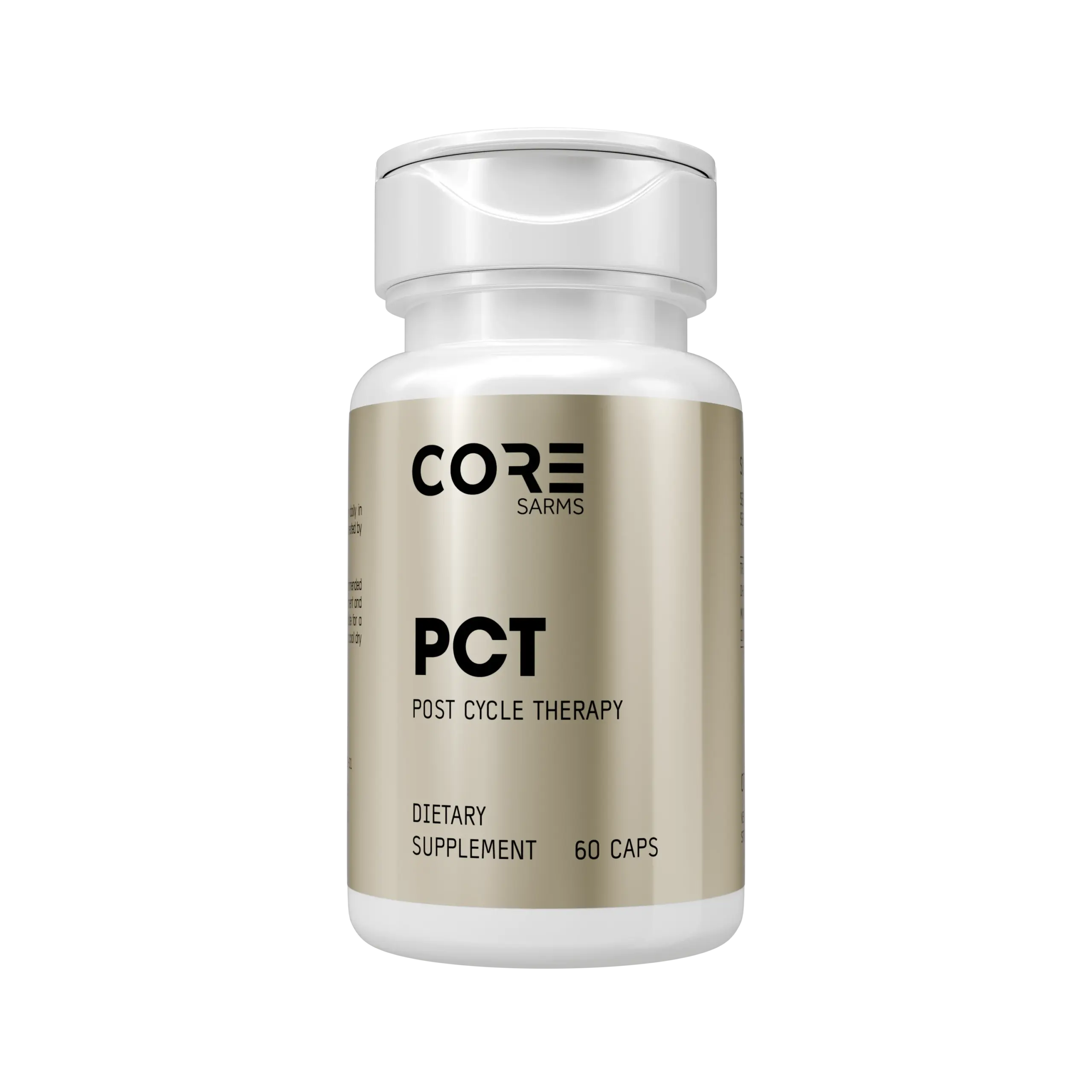
Muscle Building Bundle
Complete muscle building stack: Ligandrol, Testolone, Ostarine, Ibutamoren