Achieve a shredded physique while preserving muscle
Cutting
Showing 4 products
-
-
-
-
Best Seller
Achieve a shredded physique while preserving muscle
Showing 4 products
Changing body composition requires balancing two difficult goals at the same time: reducing body fat while maintaining or improving lean muscle mass.
The compounds featured in the cutting and lean category are commonly associated with effects that support both sides of the coin. These typically include:
This way, you can tackle the challenge of managing your body composition head-on, ensuring that both muscle mass preservation and fat loss are supported.
Our fat-loss & cutting SARMs include:
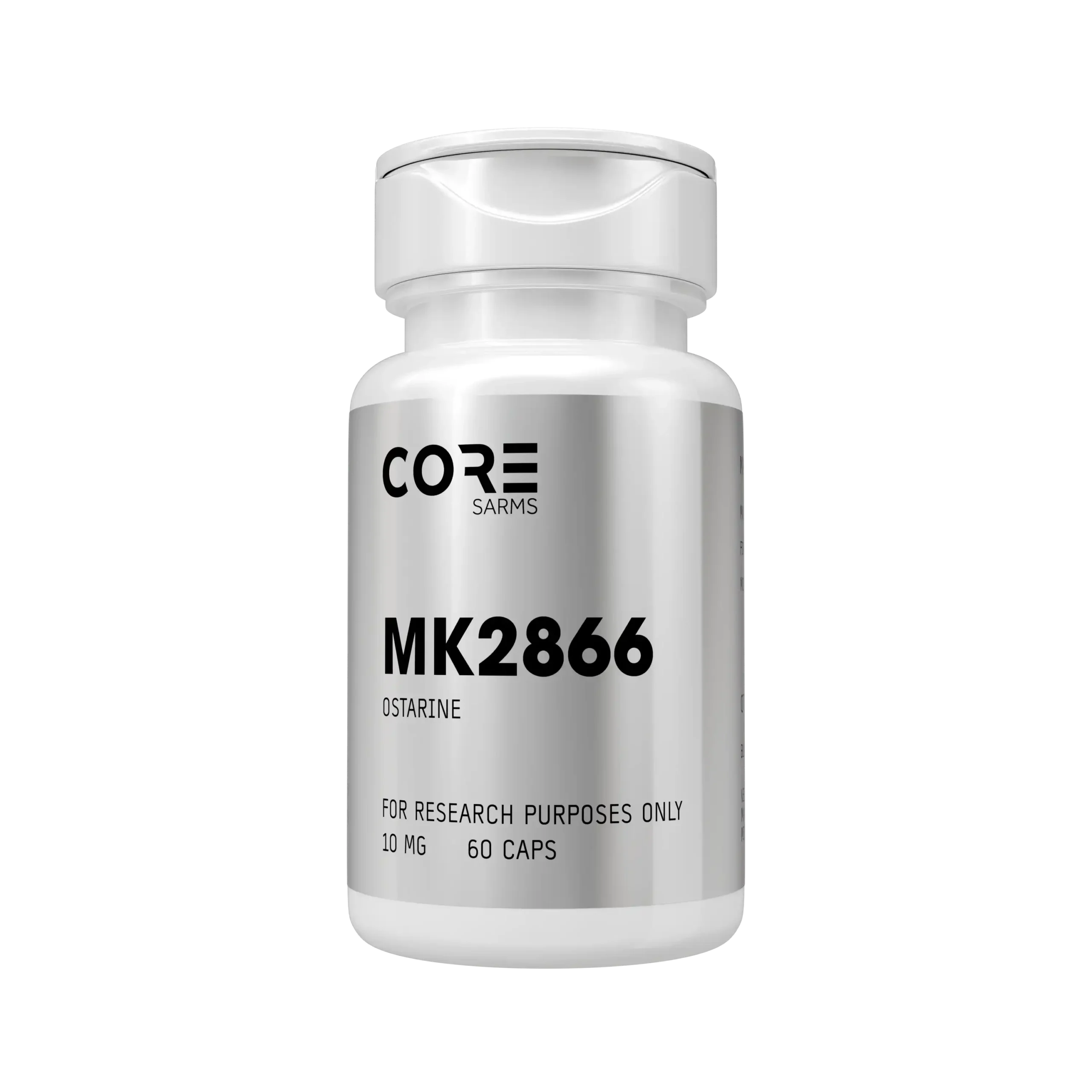
Ostarine (MK-2866) is one of the most extensively studied compounds in the SARM category. Research has examined its potential role in maintaining lean body mass, including a Phase 2 clinical trial published in The Lancet Oncology, where enobosarm demonstrated statistically significant preservation of lean body mass compared with placebo in patients experiencing cancer-related muscle wasting.[1]
Why is it associated with cutting? Its main potential benefits include:
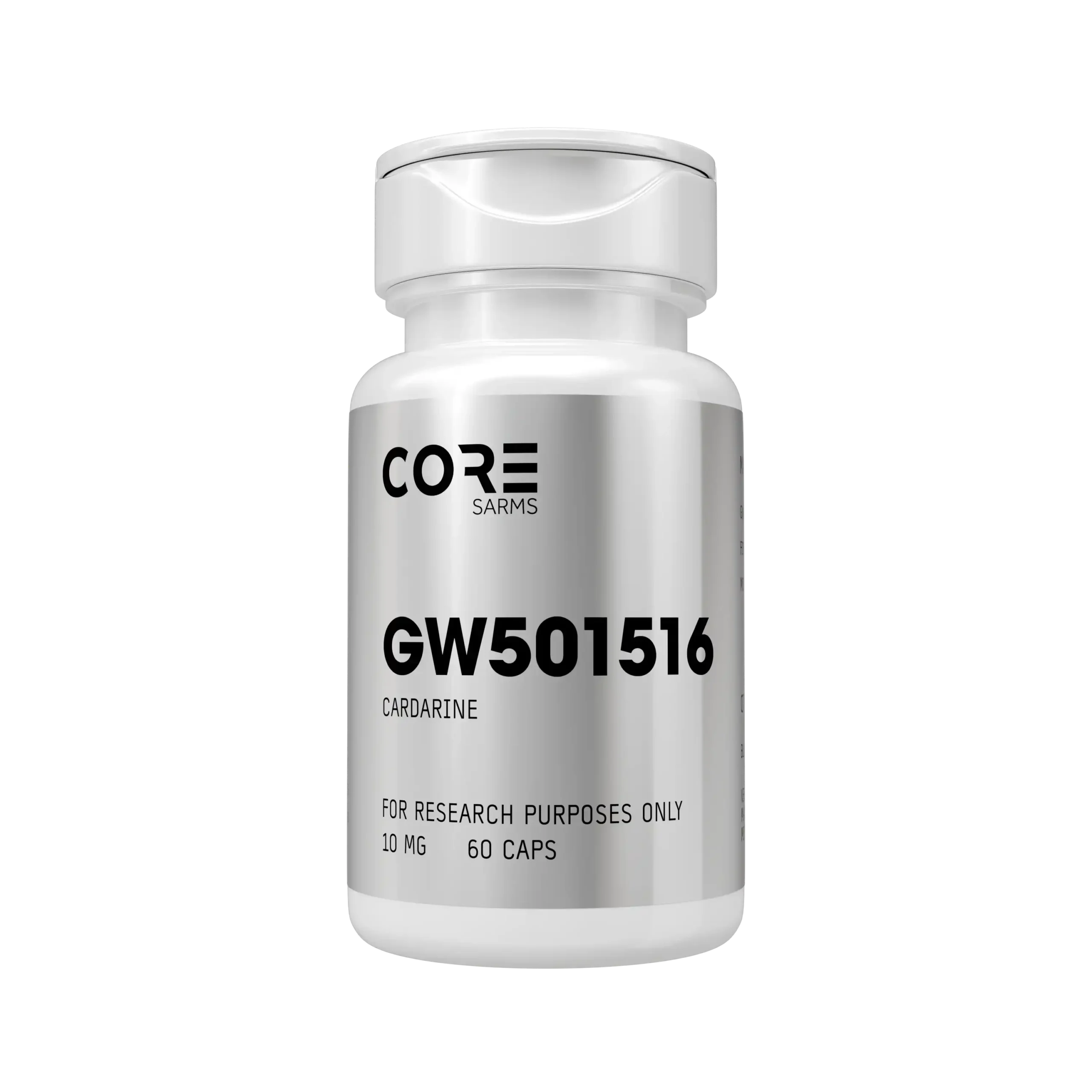
Cardarine GW-501516 is commonly chosen by users focused on endurance, energy, and fat-loss support. Unlike SARMs, Cardarine works through a different pathway and is often associated with supporting:
Note: Cardarine is not a SARM – it does not affect androgen receptors.
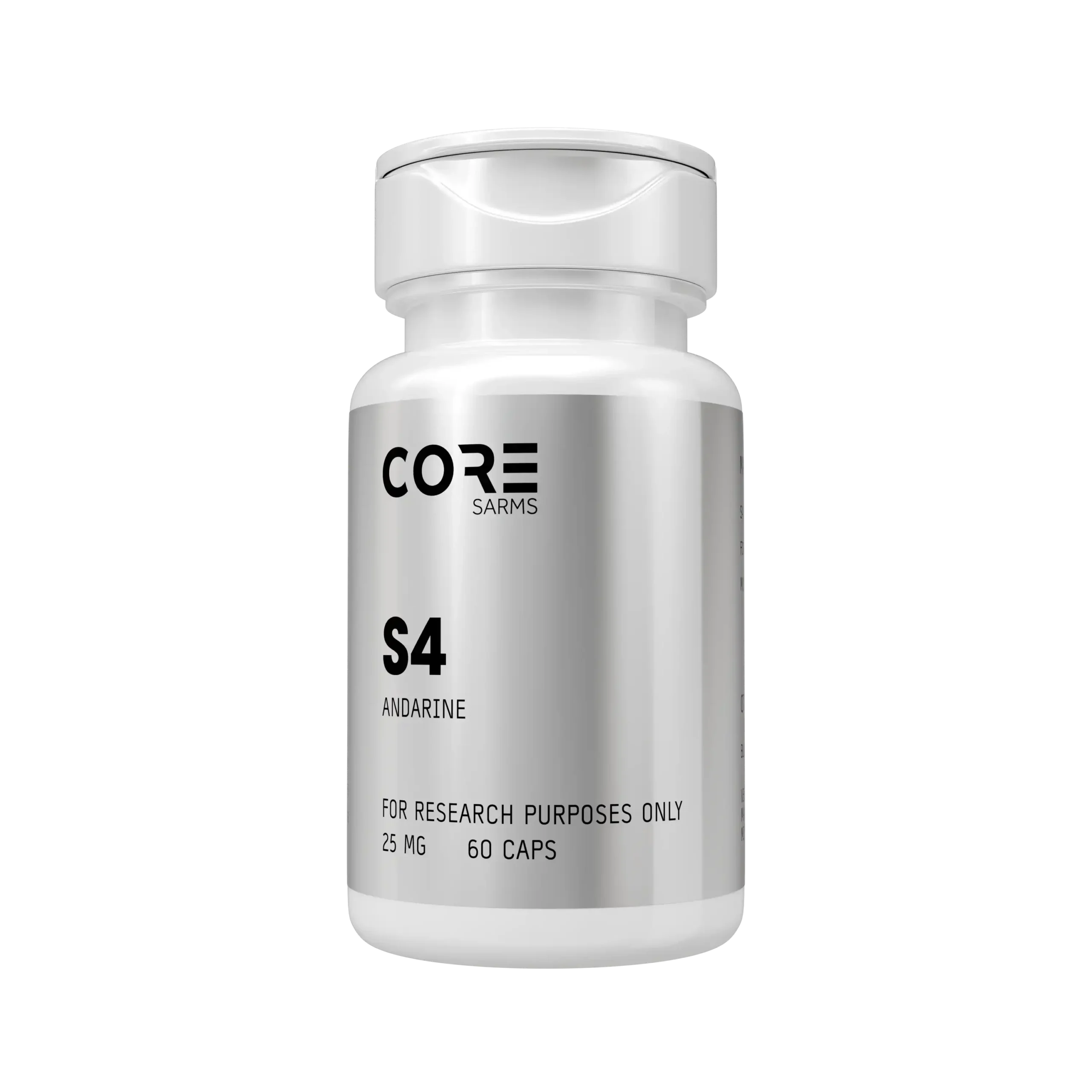
Andarine S4 is a compound commonly associated with supporting lean physique goals and body composition. It is often chosen by users looking for additional support during cutting phases where maintaining a harder, more defined appearance is a priority.
Quality matters when selecting SARMs for your training goals. At CORE SARMS, every compound is independently tested by third-party laboratories to verify purity and consistency. Each batch is supplied with a Certificate of Analysis, allowing customers to review laboratory results and confirm product quality.
Browse our cutting SARMs collection and choose compounds backed by transparent testing.
The main aim of the studies is to research the impact said SARMs have on lean muscle tissue preservation, even during caloric deficits.
Unlike traditional thermogenic fat burners that work by stimulating the central nervous system and increasing overall energy expenditure, these compounds are researched for their more targeted activity at the cellular level. Their interaction with muscle and bone tissue is what makes them different from conventional fat-loss products that rely on general stimulation.
Impurities or mislabelled chemicals can invalidate research data regarding metabolic rates. Using third-party, lab-tested research chemicals ensures that any changes in lipid metabolism or tissue preservation are strictly due to the researched compound and not an unknown filler.