What Is a COA and Why Does It Matter When Buying SARMs?
Last Update: 21 August 2026 A certificate of analysis sounds like paperwork nobody reads. In the SARMs market, it’s the opposite: it’s the one document that tells you whether what’s in the bottle matches what’s on the label. Here’s what a COA actually is, what it should contain, and why skipping this check before you […]
Last Update: 21 August 2026
A certificate of analysis sounds like paperwork nobody reads. In the SARMs market, it’s the opposite: it’s the one document that tells you whether what’s in the bottle matches what’s on the label. Here’s what a COA actually is, what it should contain, and why skipping this check before you buy is a real gamble.
Want the full compound-by-compound reference? See our main guide: Complete SARMs Compound Guide: Dosages, Cycles & Recovery. It covers this compound and every other popular SARM, with full profiles, stacking guides, cycle protocols, and post-cycle support in one place.
What Is a Certificate of Analysis?
A COA is built from representative samples of a product, a SARM in this case, tested rigorously with every step documented along the way. Qualified personnel, typically quality control specialists, sign off on the results and confirm they’re accurate.
In plenty of jurisdictions, a COA isn’t optional. Exporting pharmaceuticals, food, supplements, or chemicals into the US requires one for FDA purposes. Europe runs the same logic: regulators use the COA to confirm a compound meets local requirements before it can move across borders.
What Does a Certificate of Analysis Contain?
A proper COA should include:
- Manufacturer name and contact details
- Product name
- Batch number
- Grade
- Date of release
- Expiry date
- Other relevant detail where applicable, such as a retesting date
Certificate of Analysis from a Consumer’s Perspective
From where you’re standing as a buyer, a COA is proof that the product matches the quality it claims. For a SARM specifically, that means confirming two things:
- The compound is pure, with no contamination introduced during manufacturing
- The formula contains nothing extra, so the product carries the properties it’s supposed to
Given how many online shops sell SARMs of questionable quality, a COA issued by an independent third-party lab is often the only real way to verify the purity and quality of a SARM before you take it.
How to Get a Certificate of Analysis
The COA should sit right alongside the product listing, which is exactly how we handle it at CORE SARMS. You can check purity before you even add something to your cart. Not every vendor operates that way, though.
If a shop doesn’t publish a COA on the product page, ask for it directly. A legitimate seller with a real certificate will hand it over without hesitation.
Why Does It Matter?
The research behind most SARMs was conducted on pure compounds. Any contamination or unlisted addition changes the outcome, and not in a good way: expect reduced efficacy at best, and a higher chance of side effects at worst.
A COA closes that gap. It tells you the actual purity of what you’re buying instead of leaving you to trust a label.
Conclusion: A COA Confirms SARM Quality
A certificate of analysis is the official record that a SARM is what it claims to be, pure and accurately labeled, and in many markets it’s a legal requirement for import in the first place. Before you buy from anyone, ask to see one.

CORE SARMS is dedicated to providing premium quality supplements that help athletes and fitness enthusiasts achieve their performance goals. With a commitment to excellence and transparency, we source only the highest quality ingredients and rigorously test every product. Our team of experts stays at the forefront of sports nutrition science to bring you cutting-edge formulations that deliver real results. Whether you’re building muscle, cutting fat, or optimizing recovery, CORE SARMS is your trusted partner in achieving peak performance.

Related Products
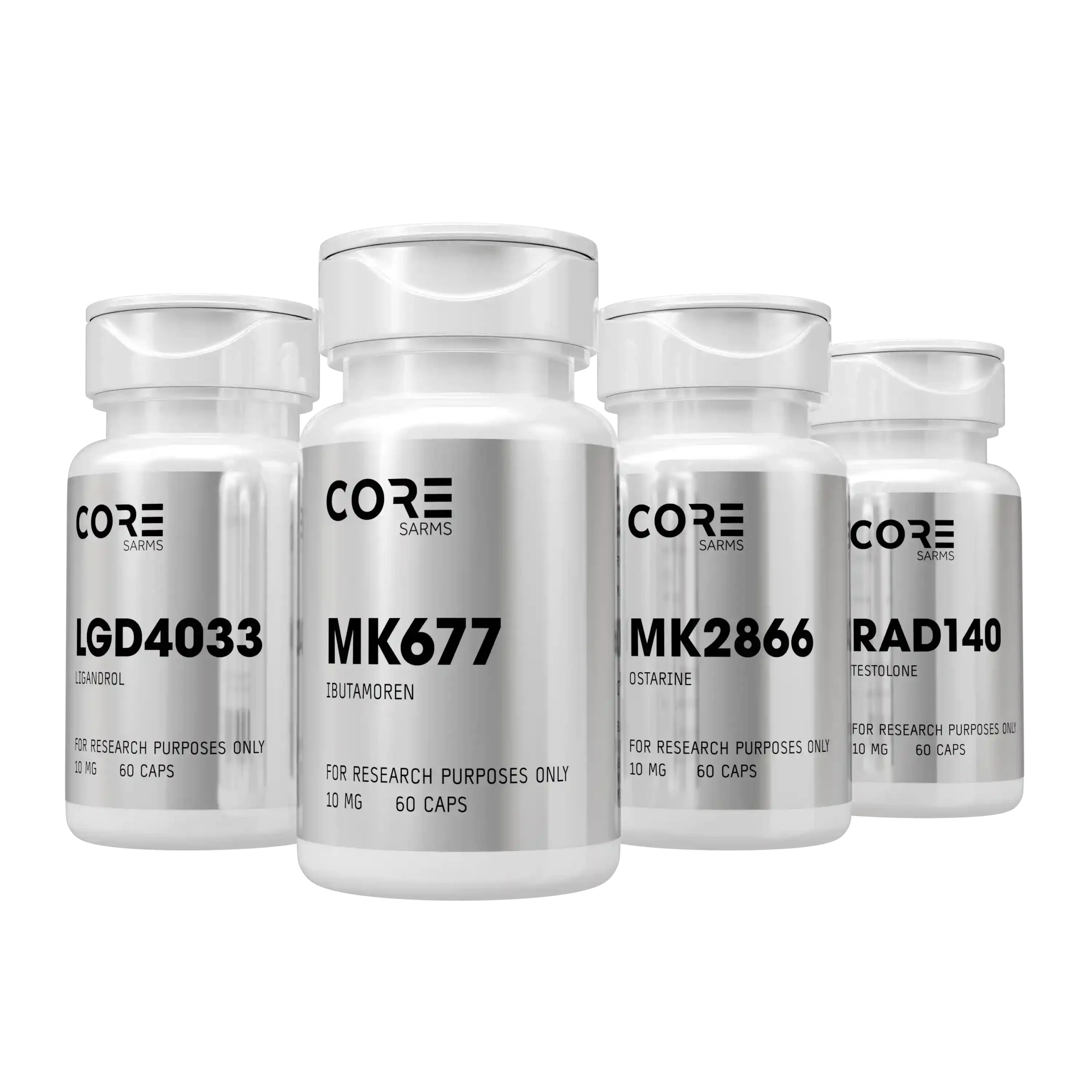
Muscle Building Bundle
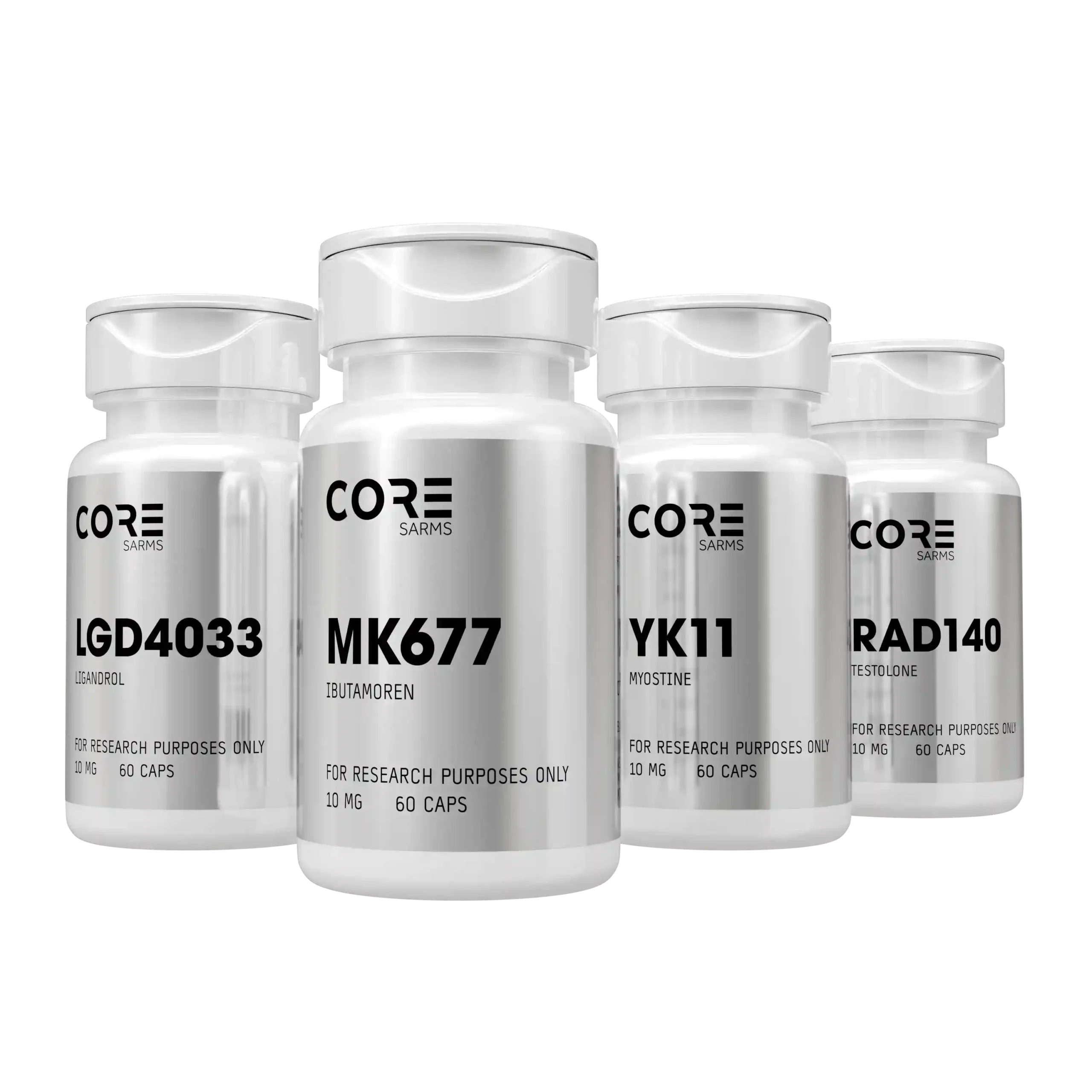
Complete muscle building stack: Ligandrol, Testolone, Ostarine, Ibutamoren